
You must use caution when visiting foreign countries. To begin, some of the new foods you’ll attempt may be strange to your body, resulting in stomach discomfort. Second, some of the meals may be dangerous on their own. In the past, food was tampered with, resulting in a completely new classification. Tourists, be careful! Keep the following foods in mind when visiting China…
Watermelon
In some parts of China, a highly effective insecticide is used. Due to their quick development, it has even been known to cause harvested watermelons to explode. As a result of the insecticide, they become exceedingly poisonous. We strongly recommend buying locally farmed produce to ensure that your food is fresh and safe to eat.
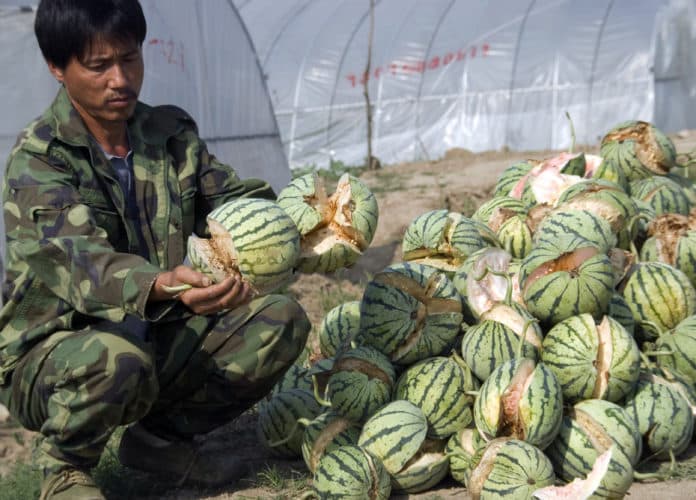
Watermelon
Apple Juice
China is one of the top three manufacturers of apple juice in the world. It does, however, contain the greatest pesticide concentrations. Proceed with caution because the apple juice they sell may contain sugar as well as dangerous pesticides.
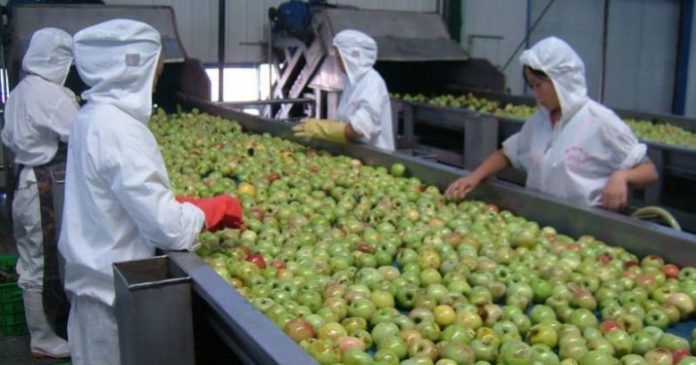
Apple Juice
Cod
In terms of profitability, cod farming is no better than tilapia farming. The fish swim around in the garbage-filled water, eating whatever they can find. Consuming them would be harmful to your health.
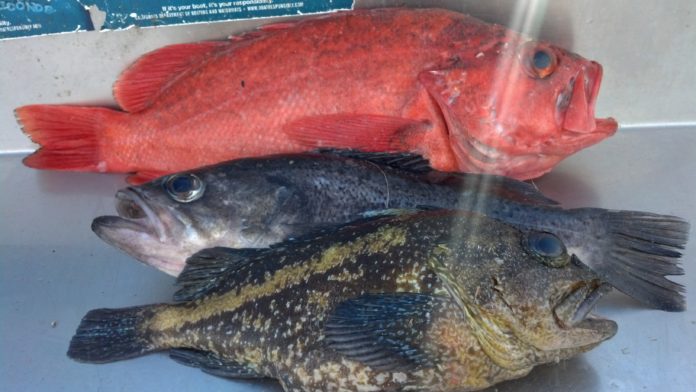
Cod
Rice Noodles
To impart the look of freshness to noodles, sulfur dioxide is sometimes utilized. Sulfur dioxide is not only damaging, but it also has the potential to cause cancer. Yikes.
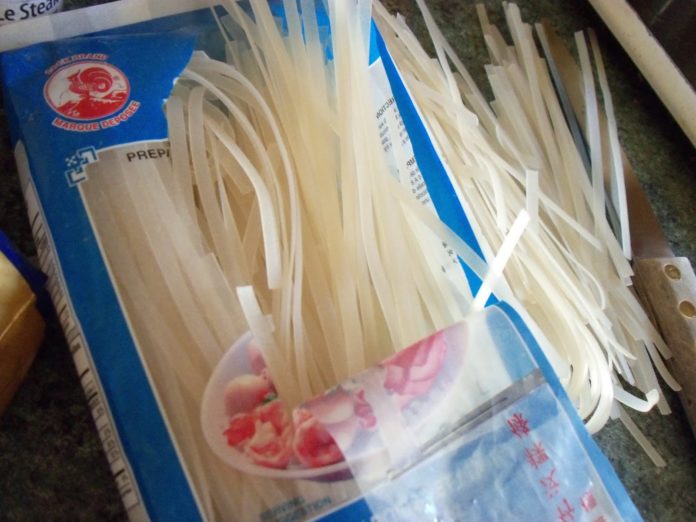
Rice Noodles
Beef
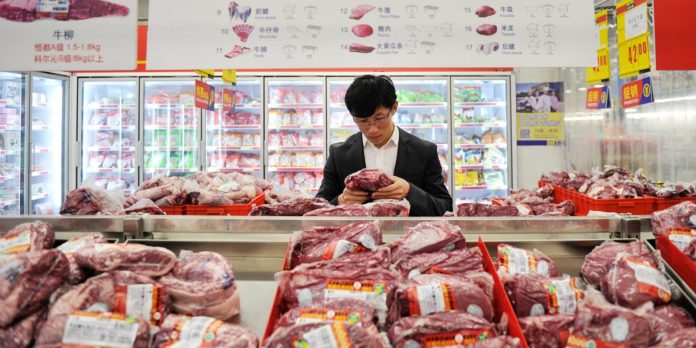
Beef is more than twice the price of pork in China, according to a website called TravelChine. To save money, many companies simply inject borax-based food additives into the pig to give it the appearance of beef. In truth, the food additive is a highly effective insecticide that has no place in your digestive tract.
Beef
Garlic
They spray chemical products on garlic fields to keep the garlic from blooming before it reaches your plates. When cooking with garlic, it is significantly better to utilize Canadian garlic rather than Chinese garlic. Trust us when we say the difference is substantial.

Garlic
Mushrooms
On multiple occasions, food inspectors have discovered tainted mushrooms that originated in China. It’s a good idea to double-check where your groceries came from before putting them in the basket on your next shopping trip.

Mushrooms
Plastic Rice
We’ve talked about plastic rice since the beginning, but what exactly is it? The most important thing to know about it is that its foundation is made up of potatoes and synthetic resin. It has the capability of causing cancer!

Plastic Rice
Milk
Melanin-based milk was blamed for the deaths of six children and the poisoning of 300,000 more. To increase the protein level of the milk, approximately 230 tons of milk were trafficked. Melanin is quite dangerous to your kidneys.

Milk
Eggs
What do you get when you mix baking powder, calcium carbonate, food coloring, and paraffin candle zest? You should have something that looks like an egg in a few hours. To be honest, it’ll look exactly like an egg. However, it increases your risk of getting severe food poisoning.

Eggs
Black Pepper
The well-known black peppercorn from China isn’t necessarily what it seems. It’s not always more than a pool of mud! It is difficult to tell whether a product is genuine due to a lack of control and standards in the food security system.

Black Pepper
Wine
Chinese wine incorporates a variety of additives in addition to grapes. Sugar, water, artificial taste, colors, and other additives are possible. According to the FDA, people who consumed wine labeled “Made in China” reported heart attacks, intense headaches, and a higher risk of cancer.

Wine
Industrial-Style Salt
You should avoid drinking industrial-style salt at all costs because it is not suited for human consumption. On the other hand, this form of salt was once offered as table salt, which was an odd occurrence. It caused a variety of health issues.

Industrial-Style Salt
Oil
A Chinese agri-food firm decided to recycle olive oil that had previously been used in restaurants. Filtering and reselling the water was their method of recycling. More than 2,000 tons of olive oil were sold to restaurants around the country, according to Voyage-Chine.

Oil
Tilapia
It’s simple to see why tilapia is a popular fish in China. Although this fish is farmed in the same way as cod, it is one of the worst sorts of fish available today. It is particularly deadly as a result of its omnivorous diet, which includes chemicals and poisons in the water.

Tilapia
Chicken
In this part of the world, outbreaks of avian influenza, as well as other diseases associated with chickens, are not unusual. Chickens in China have a dismal track record when it comes to meeting health standards.

Chicken
Peas
In 2005, experts discovered fake peas being sold as canned peas and seized them. When purchasing canned veggies from the grocery store, keep in mind that they may include artificial coloring, which is damaging to your health.

Peas
Tea
Pesticide tea is now available on the Chinese market, according to Voyage-Chine. Even though China is the world’s largest tea grower, the country also has the greatest pesticide concentration in tea bags. A total of 29 potentially hazardous compounds have been detected in various varieties of tea. Lipton is also included on this list! But don’t worry, because that particular brand was never exported.

Tea
Corn
In China, sodium cyclamate is injected into maize to boost sweetness while keeping the golden color. This chemical has been linked to liver damage and other major health issues. It is prohibited in the United States, but it is legal in over 170 countries worldwide.

Corn
Green Peas/Soybeans
In China, green peas and soybeans are commonly just snow peas coated with toxic sodium metabisulfite and food coloring. Food inspectors discovered thousands of cans of bogus, artificially colored peas during an inspection in 2005.

Green Peas/Soybeans
Cabbage
Chinese farmers spray cabbage with a formalin solution that is extremely dangerous to the environment to keep it looking fresh during the summer months. Because of the toxicity of this substance, it is best to stay away from it entirely.

Cabbage
Sweet Potato Noodles
Sweet potato noodles were once thought to be safe, but that no longer holds true. Inspectors discovered that the product was made with industrial colors and paraffin wax after conducting an inquiry. A lot of businesses in Guandong Province have been closed.

Sweet Potato Noodles
Baby Formula
Both low-cost and defective newborn formulas were being packed and marketed under well-known brand names at the time of writing, in 2015. Authorities only made the public aware of the ring’s operations a year after it was discovered. Those pitiful children.

Baby Formula
Soy Sauce
Many soy sauces in China contain a carcinogen known as 4-methylimidazole, which has been related to cancer. This was identified in 2016. Despite the producers’ claims that the cost was insignificant, the Hong Kong Consumer Council took the matter seriously because it was used on a daily basis.

Soy Sauce
Tapioca Pearls
Tapioca pearls are another food item to stay away from when visiting China. Researchers identified polychlorinated biphenyls in the product, a chemical associated with immunological, reproductive, neurological, and endocrine system malfunction, as well as cancer development.

Tapioca Pearls
Tofu
Hunan Province’s food safety inspectors discovered some troubling information in 2012. According to the FDA, tofu manufacturers were found to be using iron sulfate and feces in their goods to speed up the fermenting process.

Tofu
Ginger
An investigation on ginger farms in Weifang was undertaken by China Central Television in 2013. (CCTV). Even though it is only approved for use on select crops, including peanuts, roses, cotton, and sweet potatoes, the pesticide aldicarb was sprayed on ginger at a rate that was 3-6 times greater than the allowed level.

Ginger
Ginseng
According to studies, pesticides were identified in ginseng at nine locations in China and one in Hong Kong. These pesticide mixes are “very toxic,” according to the World Health Organization.

Ginseng
Canned Peaches
A study on canned peaches imported from China was done by Australia’s National Measurement Institute in 2014. The group discovered that the meal contained double the amount of lead allowed by law after an intensive study.

Canned Peaches
Tuna
Food processors and fish farms are concentrated in or near industrialized areas in China. Toxic compounds have poisoned the air, water, and soil in these locations. “in these farms, it is common practice to let livestock and poultry roam freely in fields and to spread livestock and poultry waste on fields or use it as fish feed.” the United States Department of Agriculture discovered after conducting an inquiry.

Tuna
Frozen Spinach
According to safety inspection experts, frozen spinach in both Japan and China contained unusually high levels of pesticides. Avoid spinach imported from China if you want to keep your health.

Frozen Spinach
Shrimp
Because shrimp is produced in filthy and overcrowded conditions in China and other Asian countries, shrimp imported from these countries is of such high grade. Pesticides and medicines are used by farmers to keep shrimp alive and healthy so that disease does not spread. Antibiotics like enrofloxacin and chloramphenicol, as well as the carcinogen nitrofurazone, are all banned in the United States, and the shrimp are laced with them.

Shrimp
Pet Food
Pet food is not the healthiest option, regardless of where it is produced. In comparison, China outperforms the rest of the globe. Melamine, a chemical component utilized in the manufacturing of different polymers, is used to make dog food in China. Because of the fragile stomachs of dogs, adding this chemical to their diet can often end in death.

Pet Food
Walnuts Stuffed With Cement
Markets in Zhengzhou, China, were discovered selling walnuts that had been injected with cement. The merchants were caught emptying the nuts, selling them at a premium, and then filling the shells with cement wrapped in tissue paper before being discovered. The “nuts” were also sold, bringing in more money for the companies.

Walnuts Stuffed With Cement
Honey
Honey from China, at least the pleasant kind, isn’t well-known. In Jinan Province, for example, there are two types of honey, with 70% of the honey being counterfeit. Adulterated honey and phony honey are two types of false honey that are both unlawful. Honey, sugar, beetroot, and rice syrup are used in the first, while agave nectar is used in the second. It is made up of alum and water and appears to be honey on the surface but is not.

Honey
Potatoes
In China, potatoes are cheaply obtained and frequently mislabeled as Da Lat potatoes. They’re sprinkled with red dust to make them look like the well-known brand, and they sell in China for 3-5 times the price of typical Chinese potatoes.

Potatoes
Baby Milk Powder
Without a doubt, this is the worst counterfeit product ever made in China. 53,000 Chinese neonates were ill after swallowing melamine-contaminated baby milk powder. To increase the protein content of the milk, the chemical was added to the formula. Melamine’s chemical structure is quite close to that of cyanide.

Baby Milk Powder
Prawns
Prawns are injected with gelatin in China to make them look fresher. Because prawns shrivel when defrosted, gelatin was added to make them look more appealing. Furthermore, the added weight of the jelly increased the price by 20-30%.

Prawns
Bottled Water
After each bottle of tap water has been bottled, it is given a real seal and label. These “tapped” bottles are infested with E.coli and a variety of dangerous fungi. It costs half as much to create this fake water as it does to treat real water.

Bottled Water
Steam Bun
Steam buns are commonly made with cardboard and hog fat and are tasty. Not only that but harmful chemicals were used to soften the cardboard, adding to the anguish. Customers were understandably disappointed by the lack of flavor.

Steam Bun
Rat Meat
Rat meat is produced in filthy conditions and is frequently sold in supermarkets as beef. The masterminds behind this scam then inject water into the meat to increase its weight and prepare it with illicit chemicals to improve its appearance even further.

Rat Meat
Pickled Vegetables
People always say that vegetables are always good for you, but in this case, it is certainly NOT good for you. Oftentimes, they inject the vegetables with various chemicals to make them look plump and pleasing to the eye! Remember, always buy your vegetables from the local market!

Pickled Vegetables
Hot Pot Soup
Ethyl maltol, capsicum oleoresin, and disodium 5′-ribonucleotide are commonly used to flavor hot pot soup. To disguise the effects of the decomposing meat on the body, antimalarial drugs are added to the soup.

Hot Pot
Lamb
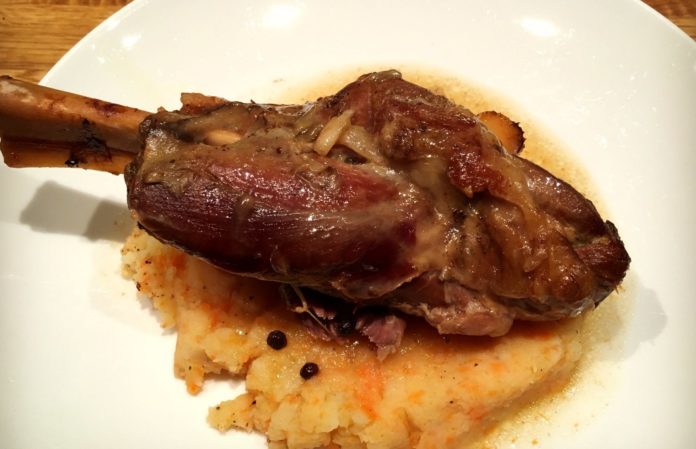
There were sellers presenting rats for sale as lambs, according to a Radio-Canada investigation from early 2013. Around 900 persons involved in the incident were apprehended by the authorities. They also seized 20,000 kg of rat meat.
Lamb